 Bethany Shum · · 3 min read
Strengthening Your Wrists: Key Progression Exercise for Performers, Aerialist and Acrobats
Let's talk about wrists! Wrist strength is important for handstands, turns and lifts as a performer. Follow the blog below to find out some tips to recover from wrist pain and how you can prevent wrist injuries with strengthening and stabilisation exercises.
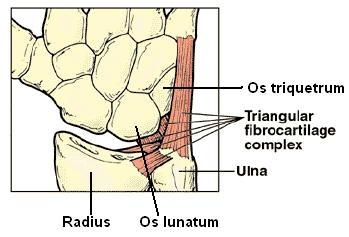
Common Cause of Wrist Pain in Performers
Quick Fix Ideas for Wrist Pain
First up, let me make this clear- these methods CANNOT replace rehab! But if you have a niggle in your wrist and have an important competition coming up, this method can temporarily alleviate your pain and allow you to continue with training.
Check out this Wrist Support Video here!
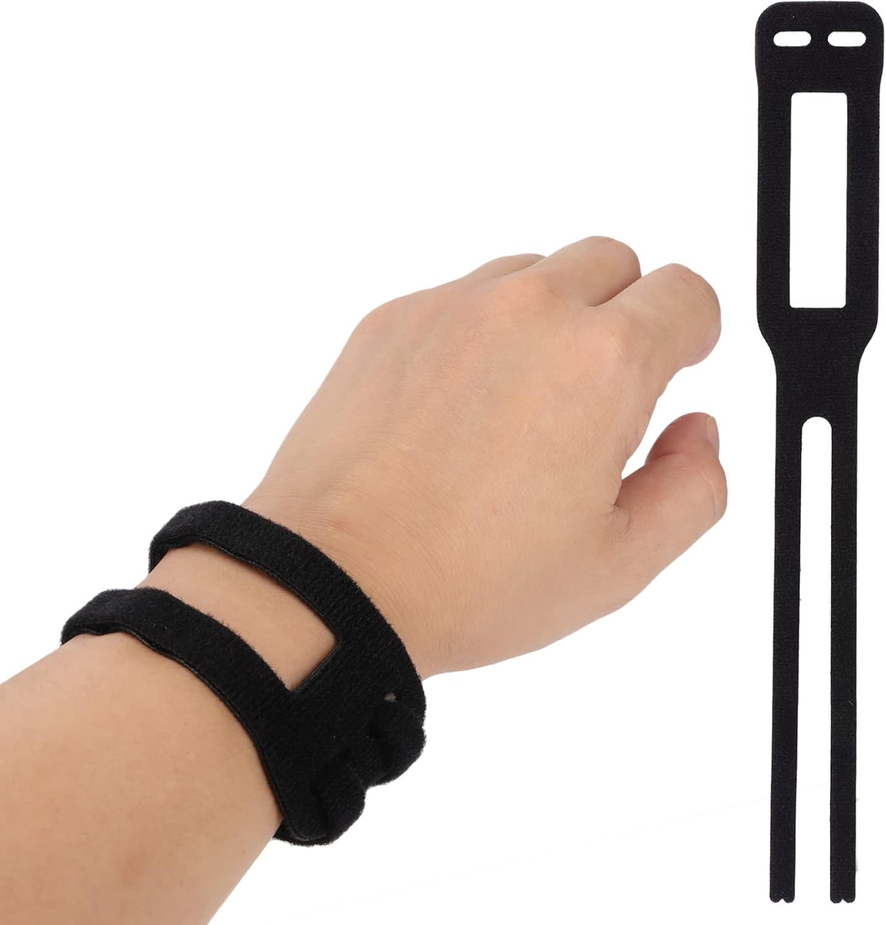
For performers with pain from impingement and stiffness: the space between the straps of this brace allows room for swelling and provides support and pain relief to the wrist.
Before putting on the strap, try to find out the origin of your pain by pushing against the wall.
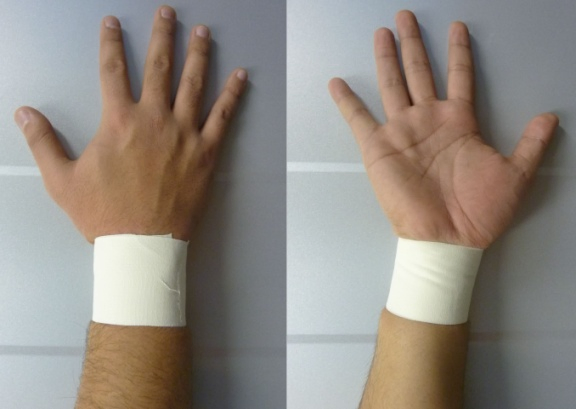
- For performers with wrist weakness/ hypermobility: if squeezing your arm bones while you push against a wall can alleviate your pain, try taping your wrist with rigid sports tape. Very simple- just loop the tape around your wrist for more stability!
Rehabilitation Exercises

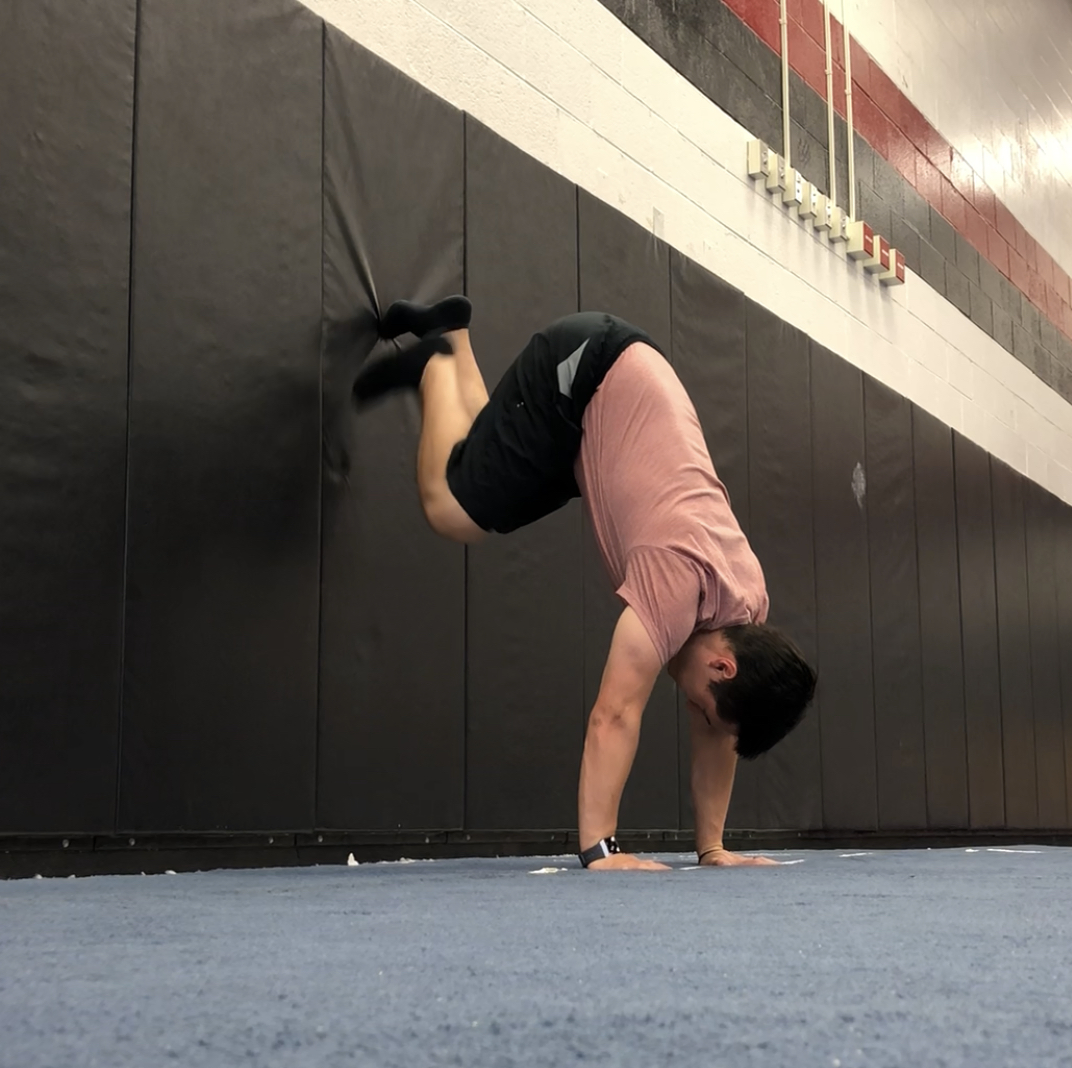
Stage 2: When stage 1 becomes comfortable, try walking your feet up the wall and hold for 30 seconds. Start at the very bottom and slowly work your way up. Remember not to push through pain!
Now that you've read the blog, try it on yourself and start rehabbing! Check out our YouTube channel (@flexibility_matters) for more in-depth videos on wrist pain and rehab exercises, as well as tips to improve your performance.
Take Home Messages:
- Common causes of wrist pain in performers include: stiffness/ impingement, weakness and hypermobility.
- For short-term relief and a boost of performance, strapping and taping can be helpful.
- Restoring mobility and progressive loading of the wrist is the key to combat wrist injuries
References
Choung, S. D., Kwon, O. Y., Park, K. N., Kim, S. H., & Cynn, H. S. (2013). Short-term effects of self-mobilization with a strap on pain and range of motion of the wrist joint in patients with dorsal wrist pain when weight bearing through the hand: a case series. Manual Therapy, 18(6), 568-572.
Hagert, E., & Rein, S. (2024). Wrist proprioception—an update on scientific insights and clinical implications in rehabilitation of the wrist. Journal of Hand Therapy, 37(2), 257-268.
Kox, L. S., Kuijer, P. P. F., Kerkhoffs, G. M., Maas, M., & Frings-Dresen, M. H. (2015). Prevalence, incidence and risk factors for overuse injuries of the wrist in young athletes: a systematic review. British journal of sports medicine, 49(18), 1189-1196.
Our blogs and articles are not designed to replace medical advice. If you have an injury, we recommend seeing a qualified health professional. We offer both in-person assessments and online consultations!