Injury Recovery for Cheerleaders: How to Stay Strong, Stay Involved, and Return to Sport Faster
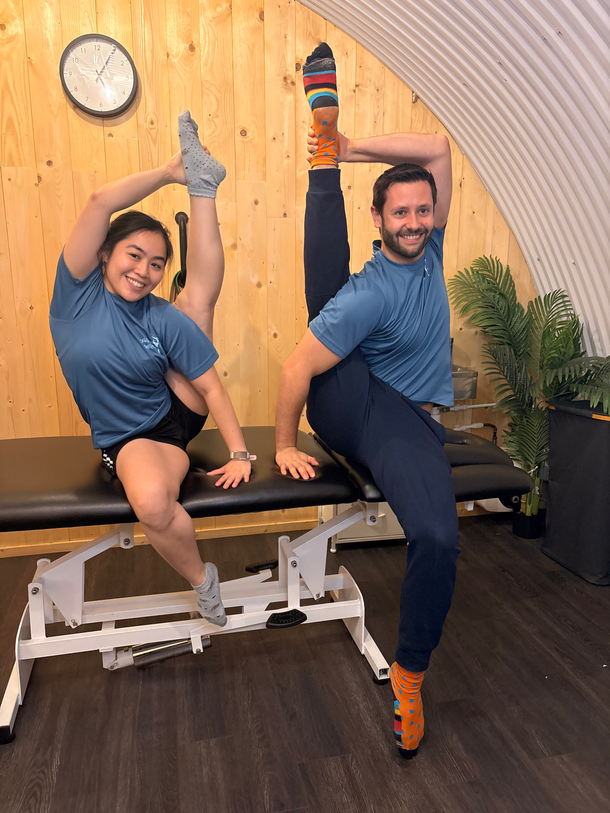
A Conversation with The Cheer Physio, Beth Shum and Rob Horton from @Bear_drylls
Injury in cheerleading is common, but that doesn’t mean you have to sit on the sidelines for weeks or months. Whether you're a cheerleader, coach, or parent, this blog will help you understand how to train smart through injury and return stronger.
🎥 Watch the full interview here: https://youtu.be/CU1JV83Eaqo?si=tKB9jZWL4KashxoE
💡 Why Injury Adaptation Matters for Cheer Athletes
Beth Shum—better known as The Cheer Physio—knows firsthand how frustrating injuries can be for competitive cheerleaders. As a qualified physiotherapist and former cheerleader, she combines sports injury rehab with a deep understanding of cheerleading demands.
Key takeaway? With the right approach, you can maintain fitness, support recovery, and prevent deconditioning after injuries like:
✔ Ankle sprains
✔ Knee ligament injuries (ACL/MCL)
✔ Wrist pain and overuse injuries
✔ Shoulder injuries from stunting
🦵 Cheerleading Injury Rehab: Step-by-Step for Knees & Ankles
For common cheer injuries like ligament sprains, Beth recommends:
Gentle movement and load management early in recovery
Progressing to balance, strength, and stability work
Gradual return to sport-specific drills like tumbling or jump landings
This approach helps reduce re-injury risk and gets athletes back on the mat faster.
🏋️♀️ Conditioning for Injury Prevention in Cheerleading
Cross-training is key to reducing injury risk, especially for bases and tumblers. Beth highlights that 20% of total training time should be focused on:
✔ Lower limb strengthening (glutes, hamstrings, calves)
✔ Core stability
✔ Shoulder strength for stunting
✔ Wrist and grip strength
Skipping this often leads to preventable injuries.
💥 Stronger Tumbling Starts with Hips & Glutes
For tumblers to improve power, jump height, and landing control, building strength in the glutes and hamstrings is essential. This reduces injury risk and boosts performance in skills like:
✔ Back handsprings
✔ Round-offs
✔ Tumbling passes
✋ Managing Wrist Pain in Cheerleaders
Wrist pain is common in cheer, especially with high-impact skills like tumbling and stunting. Beth recommends:
✔ Early assessment for wrist injuries
✔ Strengthening shoulders to offload the wrists
✔ Targeted wrist rehab exercises
Ignoring wrist pain can lead to long-term issues, so prevention and treatment are critical.
📊 Injury Trends in Cheerleading: What Coaches and Athletes Need to Know
The most common injuries Beth sees in cheerleading include:
⚡ Ankle ligament sprains
⚡ Knee injuries (including ACL tears)
⚡ Shoulder overuse from stunting
⚡ Concussions from falls
Injury prevention in cheerleading requires smart programming, proper rehab, and load management.
🩺 About The Cheer Physio & Flexibility Matters
Beth Shum offers tailored support for cheer athletes, including:
✔ Cheer-specific physiotherapy
✔ Online and in-person injury rehab
✔ Team screenings and injury prevention programs
✔ Return-to-train protocols for cheerleaders
Follow us: @flexibility_matters on Instagram