How to Train Aerial Till 100: Injury Risk, Load Management & Recovery for Circus Artists

Aerial and circus artist are some of the most dynamic and strongest performers, so their physical demands are unique and often under-researched. At Flexibility Matters, we aim to bridge that gap with evidence-based strategies to keep you performing, recovering, and progressing safely, well into your 100s.
This article summarises the latest evidence and recommendations from our recently workshop “How to Do Aerial Till 100,” covering circus injury rates, red flag symptoms, load monitoring, and injury prevention for aerialists.
🎥 You can watch here
🎯 Physical Demands of Circus Performance
Recent studies show injury rates in circus performers are similar to elite athletes:
7.4–9.7 injuries/1000 artist exposures (Wolfenden & Angioi, 2017)
5 injuries/1000 sessions in pre-professional and professional artists (Greenspan, 2022)
Most injury-prone areas include:
🔹 Shoulders
– Common injuries: Rotator cuff tendinopathy, labral tears
– Why: Repetitive overhead loading, end-range instability, poor scapular control
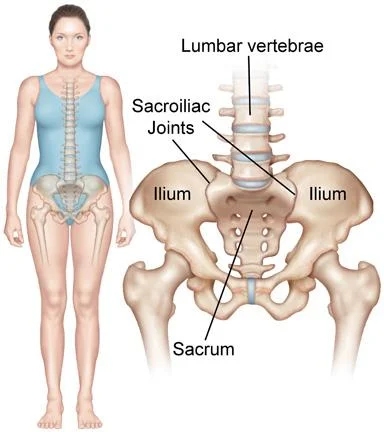
🔹 Lower Back
– Common injuries: Lumbar hyperextension, facet irritation
– Why: Prolonged extension/flexion in aerial work
🔹 Ankles
– Common injuries: Ligament sprains, impingement
– Why: End-range inversion during landings or jumps
🚨 When to Seek Medical Help: Know the Red Flags
Pain is common, but it’s not always good pain. Seek medical attention if you experience:
Sudden sharp pain and loss of range
Pain that worsens after rest or over 24 hours
Tingling, numbness, or altered sensation
Visible deformity following trauma
Persistent night pain or unexplained weight loss
Pain that limits daily life
📊 Load Management & Injury Risk in Aerial Training
Managing training load is essential to prevent overuse and overload injuries. We use the F.I.T.T. principle and ACWR (Acute:Chronic Workload Ratio) to guide safe training progressions.
🧮 Training Load Formula:
TL = Session Duration (min) × RPE (1–10 scale)
Example:
90 min × RPE 7 = 630 AU (arbitrary units)
🔁 ACWR: What Is It?
ACWR = Acute Load / Chronic Load
Acute Load: Sum of training load this week
Chronic Load: Average load over the past 4 weeks
ACWR Value Injury Risk
< 0.80 Underload (deconditioning)
0.80–1.30 ✅ Safe Zone (Sweet Spot)
> 1.50 🚨 High Risk of Injury
📉 Increasing load >15% week-to-week = increased injury risk
💡 Example for Aerialists:
Week 5 Load = 4,320 AU
Chronic Load = 2,866 AU
ACWR = 1.51 → High Injury Risk!
✅ Tip: Plan progressions and deloads to stay in the sweet spot!
🔄 Section 3: Rest, Recovery & Injury Prevention
Micro-Rest Days:
1 full rest day every 7–10 training days
(no aerial, acro, cardio, or strength)
Mini-Deload Weeks (Every 4–6 Weeks):
– Reduce training volume by 30–50%
– Focus on mobility, breathwork, sleep, and recovery tools
📖 Research (Orlando et al., 2011):
Injury risk significantly decreases when circus athletes take 2 rest days every 4–6 weeks.
🛌 Recovery Strategies That Matter
Active Recovery:
✔ Mobility drills
✔ Soft tissue work
✔ Light Pilates or skill work
Passive Recovery:
✔ Massage, compression, sauna
✔ High-quality sleep
✔ Mental rehearsal & breathwork
✅ Final Thoughts: Longevity for Aerialists
Training “till 100” doesn’t mean avoiding intensity. It means training intelligently, with structure, recovery, and awareness of your body’s signals.
If you're an aerialist, acrobat, or performer looking to increase longevity, reduce injury risk, and maximise performance, integrating load management and recovery into your routine is non-negotiable.
📍 Learn more and explore 1-on-1 support at https://www.fmphysio.com/